Unlocking Visual Impact: The Power of 3D Magnetic Icon Design
In the rapidly evolving landscape of digital design, visual communication has become more critical than ever. Whether you are a startup founder crafting a brand identity, a marketing professional designing a campaign, or a developer building an intuitive user interface, the quality of your graphical assets can make or break user engagement. Among the myriad of design trends that have emerged, 3d Magnetic Icon Design stands out as a sophisticated technique that blends depth, realism, and tactile appeal to create visuals that demand attention.
This approach goes beyond simple flat illustrations or basic 3D renders. It introduces a sense of physical presence and interaction, making digital elements feel tangible. By leveraging advanced rendering techniques, these designs simulate magnetic forces, metallic finishes, and dynamic lighting effects that draw the eye immediately. For creators seeking high-quality AI and EPS files, understanding the nuances of this style is essential for producing work that resonates with modern audiences.
What Defines 3D Magnetic Icon Design?
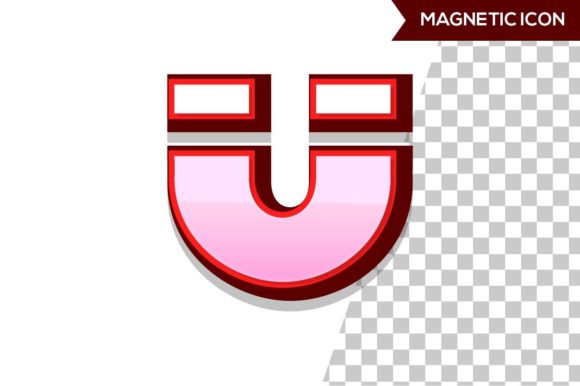
At its core, 3d Magnetic Icon Design refers to a specific aesthetic where objects appear to be constructed from magnetized materials, often featuring glossy surfaces, rounded edges, and a distinct sense of weight. Unlike traditional flat icons which rely on color blocking and minimalism, magnetic icons utilize gradients, shadows, and highlights to create a three-dimensional illusion.
The "magnetic" aspect often implies a cohesive force, where different elements seem to snap together or hover in a state of equilibrium. This creates a unique visual rhythm that is both playful and professional. These designs are characterized by:
- Depth and Dimension: Every element possesses volume, casting subtle shadows and reflecting light sources realistically.
- Materiality: Surfaces often mimic metals, plastics, or glass, giving the icon a premium feel.
- Vibrancy: Utilizing RGB color mode allows for a wide spectrum of vivid hues that pop against various backgrounds.
- Tactile Quality: The design suggests that the object could be touched, enhancing user connection.
When you access a collection of High-Resolution JPG and vector-based files, you are essentially acquiring a toolkit that embodies these characteristics. The ability to edit main elements ensures that the final output can be tailored to fit specific brand guidelines without losing the integrity of the original design.
The Technical Advantage: Editability and File Formats
One of the most significant benefits of working with professional-grade 3D magnetic icon assets is the flexibility they offer. In a practical workflow, designers rarely find a pre-made asset that fits perfectly without modification. This is why the inclusion of editable formats like SVG, EPS, and AI is crucial.
Vector-based files (SVG and EPS) allow for infinite scalability. You can take a small icon used for a mobile app notification and scale it up to a billboard size without any loss of quality. This is particularly important for businesses that need consistent branding across multiple platforms. Furthermore, having the source files means you can easily change colors to match your brand palette. If your company rebrands from blue to green, a standard raster image might require a complete redesign, but with editable layers, you can simply adjust the hue in minutes.
The availability of High-Resolution JPG and PNG files ensures that even when vector editing isn't necessary, the visual fidelity remains sharp. A Zip file included in such packages typically organizes these assets efficiently, saving time during the download and implementation process. Whether you are working in Adobe Illustrator, Photoshop, or a web development environment, having the correct file format at hand streamlines the entire creative process.
Real-World Applications and Use Cases
So, where does 3d Magnetic Icon Design shine? Its versatility makes it suitable for a wide range of applications, from consumer-facing websites to complex B2B software interfaces.
Digital Product Interfaces
In the world of apps and software, navigation is key. Magnetic icons serve as excellent visual cues for users. Their distinct appearance helps differentiate between primary actions and secondary settings. Because they look interactive, users are naturally inclined to click on them, improving overall engagement rates.
Marketing and Advertising
For social media campaigns, email newsletters, and landing pages, grabbing attention within seconds is vital. The glossy, dimensional nature of magnetic icons cuts through the clutter of flat text and images. They add a layer of polish that signals professionalism and attention to detail, which can significantly influence a customer's perception of a brand's reliability.
Corporate Presentations and Reports
Even in static documents, the use of 3D elements can elevate the presentation of data. Instead of boring charts, magnetic icons can represent different departments, metrics, or milestones, making reports more engaging and easier to digest for stakeholders.
Evaluating Suitability for Your Project
While the appeal of 3D magnetic designs is undeniable, it is important to consider whether this style aligns with your specific project goals. Not every design brief requires a heavy-handed 3D approach. Sometimes, minimalism and flat design are more appropriate for conveying clarity and speed.
When evaluating suitability, ask yourself the following questions:
- Does the target audience appreciate modern aesthetics? Younger demographics and tech-savvy users often respond well to 3D trends.
- Is the context supportive of detailed graphics? If the background is busy or the screen real estate is limited, overly complex 3D icons might become distracting or illegible.
- Do you have the resources to optimize them? While vector files are scalable, high-resolution 3D renders can sometimes increase page load times if not optimized correctly for the web.
However, with the right tools—such as the customizable AI and EPS files mentioned earlier—you can mitigate many of these concerns. The ability to modify and change color allows you to simplify the design if needed, stripping away excessive details while retaining the core magnetic character.
Maximizing Value Through Customization
The true power of purchasing a set of high-quality 3D Magnetic Icon Design files lies in customization. A generic set of icons can look great, but a customized set tells a story. By utilizing the editable features, you can infuse your brand's personality into every pixel.
Imagine adjusting the glossiness of a camera icon to reflect a sleek, high-end photography studio versus a fun, casual family blog. Or perhaps changing the metallic finish from silver to gold to denote luxury. These small adjustments, made possible by the flexible file structure, transform a stock asset into a bespoke brand element. This level of control ensures that the final product is not just a decoration, but a strategic component of your visual identity.
Conclusion: Elevating Your Visual Strategy
In conclusion, 3d Magnetic Icon Design represents a significant step forward in digital visual communication. By combining the technical precision of vector graphics with the artistic flair of 3D rendering, it offers a solution that is both aesthetically pleasing and functionally robust. Whether you are looking to enhance a website, revamp a mobile app, or create striking marketing materials, these designs provide the depth and impact necessary to stand out in a crowded digital space.
With features like RGB color modes, high-resolution outputs, and fully editable layers, these assets empower creators to produce professional results without needing to start from scratch. As you explore your options, remember to prioritize usability and brand alignment. When chosen wisely and implemented thoughtfully, 3D magnetic icons can become a cornerstone of your visual strategy, driving engagement and leaving a lasting impression on your audience.