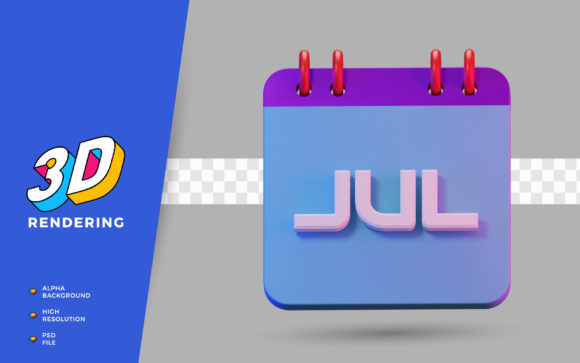
3D Render Symbol of Calendar July
In the fast-paced world of digital content creation, visual clarity often makes the difference between a design that gets ignored and one that captures attention instantly. When you are looking to highlight the month of July for a project, a 3D Render Symbol of Calendar July offers a sophisticated touch that flat graphics simply cannot match. This specific asset is designed to serve as a daily reminder or a planning centerpiece, bringing depth and realism to your schedules, marketing materials, or educational resources.
However, acquiring high-quality 3D assets involves more than just clicking a download button. Many creators rush into using these files without understanding the nuances of file formats, licensing, or integration methods. This can lead to pixelated outputs, legal complications, or designs that look unprofessional. To help you avoid these pitfalls, we need to look closely at what this specific resource provides and how to utilize it effectively in your workflow.
Understanding the Value of a True 3D Asset
A 3D Render Symbol of Calendar July is not merely an image; it is a digitally crafted object with lighting, shadows, and texture that mimics real-world physics. Unlike standard clip art, this element stands out because it interacts with its background, creating a sense of presence on your screen or page. Whether you are a small business owner launching a summer promotion, a blogger planning a monthly editorial calendar, or an educator organizing a lesson plan, having a tangible, three-dimensional representation of time adds a layer of engagement.
The primary reason professionals choose this specific symbol is its versatility. It acts as a focal point that draws the eye immediately to the date or the event associated with July. By incorporating this element, you signal to your audience that the content is premium and carefully curated. It transforms a simple list of dates into a dynamic visual experience.
Pitfalls in Selection and Usage
Despite the obvious benefits, there are common mistakes people make when evaluating and using 3D render files. One of the most frequent errors is overlooking the importance of the alpha channel. If you purchase a 3D calendar symbol that comes only as a JPEG or a PNG without transparency, you will struggle to integrate it seamlessly into your designs. You might find yourself with unsightly white boxes surrounding your calendar, which ruins the professional aesthetic of your project.
Another critical oversight involves resolution and DPI settings. Many users assume all images are created equal, but a low-resolution 3D render will appear blurry when scaled up for print or large web banners. This often happens when individuals try to save money by downloading compressed versions of files. The result is a loss of detail in the calendar's textures and edges, making the entire design look cheap and untrustworthy.
Furthermore, licensing restrictions are a hidden trap. Some free or cheap assets come with strict "personal use only" clauses. If you are a marketer or freelancer working on a commercial client project, using a restricted file can lead to legal issues and financial penalties. Conversely, paying for a premium asset without verifying if it includes commercial rights can also be a waste of funds if you later realize you cannot legally sell the final product.
Why File Formats Matter
To ensure your 3D Render Symbol of Calendar July performs perfectly, you must pay attention to the delivery format. A high-quality package should provide multiple options to suit different needs:
- HD PSD Files: These are essential for advanced editing. They allow you to adjust layers, change colors, or modify text within the 3D object before exporting. Without this, you are stuck with the original rendering exactly as it was made.
- PNG with Alpha Background: This is the gold standard for web and digital design. The transparent background ensures the calendar floats naturally over any color or image you place behind it, eliminating the need for tedious manual cutting.
- JPEG 300 DPI: For print applications like flyers, brochures, or posters, a high-resolution JPEG is non-negotiable. At 300 dots per inch, the image remains crisp and sharp, ensuring your July planning materials look polished when printed.
Skipping the verification of these specifications often leads to frustration. Imagine spending hours designing a flyer, only to realize the calendar image blurs when you try to print it. Or worse, trying to add the image to a website and fighting with white borders because the alpha channel was missing.
Practical Steps for Seamless Integration
Once you have secured the correct files, the next step is proper integration. Do not simply drag and drop the image into your software and hope for the best. Instead, adopt a methodical approach to ensure the 3D object looks natural.
If you are using Photoshop or Affinity Photo, start by placing the PNG with Alpha Background on a new layer. Check the lighting direction of the 3D render. Does the shadow align with the rest of your scene? If your background image has light coming from the left, but your calendar cast shadows to the right, the composition will feel disjointed. Use the software's lighting tools to adjust the overlay or add a custom drop shadow that matches your environment.
For those using the HD PSD version, take advantage of the layer structure. You might want to recolor the calendar to match your brand palette. However, be careful not to distort the 3D geometry too much. Over-saturating colors or changing the hue drastically can break the illusion of realism, making the object look like a flat sticker rather than a rendered item.
Maximizing Efficiency and Quality
Efficiency is key for busy professionals. To save time, organize your layers logically before starting the main design work. Name your layers clearly (e.g., "July_Calendar_3D", "Background_Layer", "Text_Overlay"). This organization becomes invaluable if you need to return to the project later or hand it off to a team member.
Always preview your design at 100% zoom before finalizing. This allows you to catch any jagged edges or compression artifacts that might not be visible at a smaller size. For print projects, double-check the dimensions against your printer's requirements. A file that looks perfect on a monitor might be too small for a large-format poster if the DPI was not correctly set during the initial export.
Evaluating Your Final Choice
Before you commit to a specific asset, ask yourself a few practical questions. Does the file include the necessary formats (PSD, PNG, JPEG)? Is the resolution sufficient for my intended use? Are the usage rights clear for both personal and commercial projects? Answering these questions upfront prevents costly mistakes down the line.
When you download a package that explicitly states it includes Personal and Commercial Use without watermarks or logos, you are investing in peace of mind. You know that the 3D Render Symbol of Calendar July is ready to go straight into your workflow without needing to remove distracting overlays or worry about copyright strikes.
By avoiding the common traps of poor resolution, missing transparency, and restrictive licensing, you ensure that your visual communication is effective and professional. Take the time to evaluate the file specifications, choose the right tools for the job, and apply the asset with care. With the right approach, this 3D calendar symbol becomes more than just a graphic; it becomes a powerful tool for organization and creativity.
We wish you a wonderful day filled with productivity and kindness as you bring your projects to life. Remember, the quality of your output is directly linked to the quality of the resources you choose and the care you take in applying them.