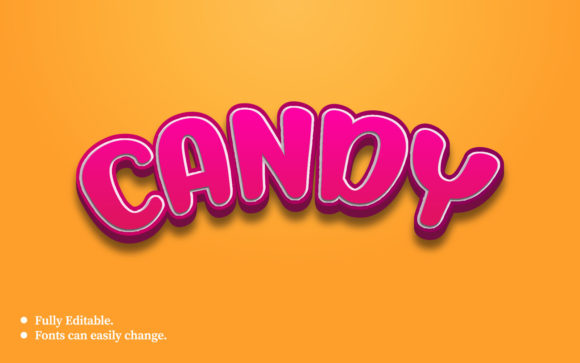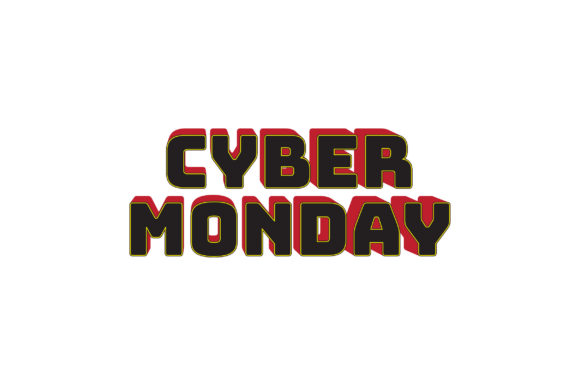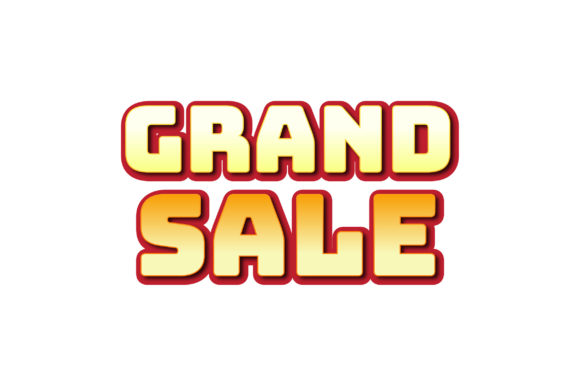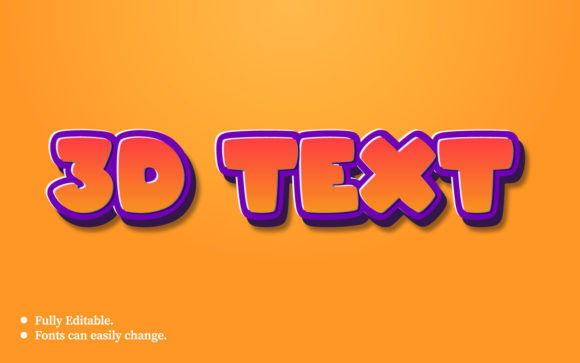
Oggy 3D Text Effect Design Template: Elevating Your Visual Brand with Modern Typography
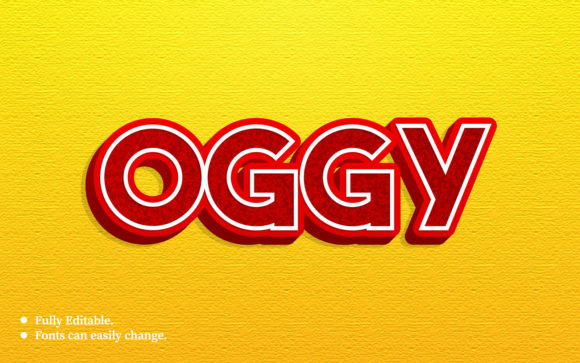
In a digital landscape where attention spans are measured in seconds, the ability to instantly communicate a message through visual design is more critical than ever. The Oggy 3D Text Effect Design Template represents a significant leap forward for creators who need high-impact graphics without the steep learning curve of traditional vector illustration. This isn't just another asset; it is a strategic tool designed to bridge the gap between professional-grade aesthetics and rapid production workflows. By leveraging the power of Adobe Illustrator, this template transforms standard text into dynamic, three-dimensional focal points that command attention across social media feeds, websites, and marketing campaigns.
The relevance of such a specialized design resource lies in its ability to adapt to the shifting habits of modern audiences. We are living in an era of "scroll-stopping" content, where flat designs often struggle to compete against the depth and realism of 3D elements. The Oggy template addresses this by offering a pre-built environment where depth, lighting, and texture are already calculated, allowing users to focus entirely on their core message. Whether you are a marketer launching a new product or a freelancer delivering a final presentation, the shift toward immersive visual experiences means that static text is no longer enough.
Bridging Professional Quality with User Accessibility
One of the most persistent challenges in the creative industry has been the divide between high-end software capabilities and user accessibility. Historically, achieving a true 3D text effect required extensive knowledge of gradient meshes, extrusion tools, and complex layering techniques within Adobe Illustrator. For many professionals, freelancers, and small business owners, this barrier was prohibitive. The Oggy 3D Text Effect Design Template dismantles this barrier by encapsulating these advanced techniques into a fully editable structure.
This template is built specifically for the Adobe Illustrator CC ecosystem, ensuring compatibility with the latest industry standards. However, its true value proposition is the "Easy Customizable and Editable" nature it offers. Every part of the template includes photo placeholders and designated text areas that can be modified with a few clicks. This means that even if your technical skills are limited to basic file navigation, you can still produce results that look as though they were crafted by a senior graphic designer. The inclusion of free fonts further democratizes the process, removing the financial friction of licensing expensive typefaces while maintaining a cohesive aesthetic.
Adapting to Modern Workflows and Technical Standards
The evolution of digital marketing requires assets that are not only visually stunning but also technically robust. The Oggy template is engineered to meet the rigorous demands of contemporary web and print environments. With a resolution of 1920px x 1080px, it perfectly aligns with Full HD video standards and high-resolution displays, making it ideal for YouTube thumbnails, Facebook cover images, and website banners. Furthermore, the specification of 300 DPI ensures that when these graphics are scaled up for print materials like posters or brochures, they retain their crispness and clarity.
The color mode is set to RGB, which is the essential standard for digital screens. While many older templates might default to CMYK, forcing users to convert colors later and risking shifts in hue, the RGB setup here guarantees that what you see on your screen is exactly what your audience will see on their devices. This attention to technical detail reflects a deeper understanding of the modern workflow, where speed and accuracy are paramount. The fact that the image is not included allows for total flexibility, letting you integrate your own photography or stock imagery seamlessly into the composition.
Why 3D Typography is Reshaping Creative Practices
The trend toward 3D text effects is not merely a fleeting aesthetic choice; it signals a broader shift in how information is consumed. As users become desensitized to flat, two-dimensional interfaces, designers must find ways to create tactile sensations through digital mediums. Three-dimensional typography mimics the physical world, adding weight, presence, and a sense of realism that resonates subconsciously with viewers. The Oggy template capitalizes on this psychological response by providing a framework where text feels tangible and substantial.
This approach fits naturally into current lifestyle shifts where personal branding and visual storytelling are central to both business and leisure. Entrepreneurs use these visuals to establish authority, educators use them to make learning materials engaging, and hobbyists use them to express creativity. The template's design philosophy acknowledges that users expect a level of polish that was previously reserved for large corporate budgets. By offering a solution that is "Fully Editable," it empowers individuals to iterate quickly, testing different headlines and color schemes until they achieve the perfect brand alignment.
Practical Implications for Creators and Businesses
For professionals, the introduction of a tool like the Oggy 3D Text Effect Design Template translates directly into time savings and increased output quality. Consider a scenario where a marketing team needs to produce a week's worth of social media content. Without a template, each graphic might require hours of manual creation. With this template, the team can swap out the placeholder photos, update the text, and export the final files in minutes. This efficiency allows creatives to dedicate more time to strategy and campaign planning rather than getting bogged down in the mechanics of drawing shapes and applying gradients.
The inclusion of a help file is a crucial feature that underscores the template's commitment to user support. It serves as a guide for those who may be less familiar with the nuances of Adobe Illustrator, ensuring that the customization process is smooth and frustration-free. This educational component is vital for fostering confidence among users who might otherwise hesitate to adopt new tools. It bridges the gap between potential and execution, turning a static file into a versatile asset library.
- Rapid Iteration: Change text and images instantly to test different marketing angles without redesigning from scratch.
- Consistent Branding: Use the same structural design across multiple platforms to maintain a cohesive visual identity.
- Professional Polish: Achieve complex 3D looks that elevate the perceived value of your products or services.
- Cost Efficiency: Eliminate the need to hire external designers for every single banner or social post.
Realizing the Potential of Flexible Design
The versatility of the Oggy template extends beyond simple text replacement. Because all parts are fully editable, users can experiment with lighting effects, shadow depths, and material textures to match specific campaign themes. A tech startup might opt for a sleek, metallic finish, while a lifestyle blogger might choose a softer, matte texture. The freedom to manipulate these elements ensures that the template remains relevant across diverse industries and niches.
Moreover, the reliance on Adobe Illustrator ensures longevity. Unlike formats tied to specific proprietary software or cloud-based editors that may change pricing models or features, AI files remain a stable standard in the industry. This stability is reassuring for businesses looking to build a long-term library of assets. The combination of cutting-edge design trends with reliable, established technology makes this template a smart investment for anyone serious about their visual communication.
As we move forward, the demand for high-quality, customizable, and efficient design resources will only continue to grow. The Oggy 3D Text Effect Design Template stands at the intersection of these needs, offering a practical solution that respects the intelligence of the user while providing the tools necessary to succeed. It is a testament to the idea that great design should be accessible, adaptable, and always ready to serve the evolving needs of the creator.