October Calendar Month 3D Rendering: A Comprehensive Evaluation
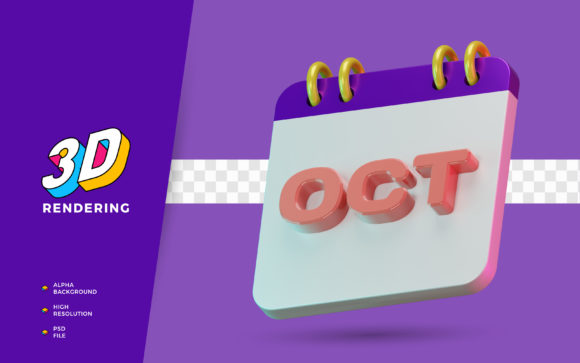
In the realm of digital design and visual communication, specific assets often serve as the foundation for larger creative projects. The October Calendar Month 3D Rendering represents a specialized category of graphical resources designed to provide depth, realism, and immediate visual recognition for planning and scheduling purposes. This asset is not merely a flat image but a three-dimensional representation that captures the essence of the tenth month of the year through modern rendering techniques.
For professionals and hobbyists alike, understanding the utility of such an object is crucial before integrating it into a workflow. This evaluation explores what this rendering entails, the practical applications it serves, and the specific file formats included in a standard delivery package. By examining the technical specifications and usage rights, users can determine if this resource aligns with their specific project requirements.
Understanding the Asset and Its Composition
An October Calendar Month 3D Rendering is a digital graphic created using 3D modeling software to simulate physical objects or typography. Unlike traditional vector illustrations, these renders utilize lighting, shadows, textures, and perspective to create a sense of volume. When applied to calendar months, the goal is often to create a focal point that stands out against a background, effectively signaling the passage of time or highlighting a specific date range.
The core value of this asset lies in its versatility. It is typically delivered as an isolated symbol, meaning the object is separated from any background elements. This isolation allows designers to place the 3D number or text onto various surfaces—whether on a website banner, a printed flyer, a mobile app interface, or a social media post—without needing complex background removal processes. The result is a clean, professional look that adds a layer of sophistication to otherwise flat designs.
File Specifications and Deliverables
When evaluating a purchase or download of this specific asset, the format and quality of the files are paramount. A comprehensive package for an October Calendar Month 3D Rendering typically includes multiple file types to ensure compatibility across different platforms and software environments. Understanding these deliverables helps users manage their expectations regarding editing capabilities and final output quality.
- HD PSD (Photoshop Document): This file contains the layered source data. It allows for extensive customization, enabling users to change colors, adjust lighting effects, modify shadows, or rearrange elements within the 3D scene. This is the ideal format for those who require deep integration into existing design projects using Adobe Photoshop.
- PNG with Alpha Background: The Portable Network Graphics (PNG) format with an alpha channel provides a transparent background. This is essential for web design and quick mockups where the object needs to be overlaid on top of other images without a white box surrounding it. The alpha transparency ensures a seamless blend with the underlying content.
- JPEG at 300 DPI: The Joint Photographic Experts Group (JPEG) file is optimized for high-resolution printing. With a density of 300 dots per inch (DPI), this file ensures that the 3D rendering remains crisp and sharp when used in physical materials like brochures, business cards, or posters. It is a rasterized version of the design, ready for immediate print use.
A critical consideration for many users is the presence of watermarks or logos. In a professional context, the absence of branding on the downloaded files is a significant benefit. It ensures that the final product looks original and does not attribute credit to the stock provider inappropriately. This clean slate allows the user to claim full ownership of the final composition.
Practical Applications and Use Cases
The decision to incorporate a 3D rendered calendar element often stems from a need to enhance visual hierarchy. In daily reminders or planning tools, the human eye is drawn to three-dimensional objects more quickly than flat text. Using an October Calendar Month 3D Rendering can effectively draw attention to upcoming events, deadlines, or seasonal campaigns.
Common scenarios where this asset proves beneficial include:
- Digital Marketing Campaigns: Brands launching autumn-themed promotions can use the 3D rendering as a hero image. The tactile quality of the render suggests premium quality, which can improve click-through rates on landing pages.
- Corporate Planning Documents: Internal presentations or strategic roadmaps often require clear visual markers for timelines. A 3D calendar icon can break up dense text and make schedules easier to digest for stakeholders.
- Social Media Content: Platforms like Instagram and LinkedIn favor visually rich content. An isolated 3D symbol can be easily animated or placed over video backgrounds to create engaging posts that stand out in a crowded feed.
- Personal Organization: For individuals creating custom planners or wall calendars, these assets offer a way to add a professional touch without hiring a 3D artist.
Evaluating Licensing and Usage Rights
One of the most important factors in selecting a digital asset is the scope of the license. Users must verify whether the file permits personal and commercial use. Many stock assets restrict usage to personal projects only, requiring additional fees for commercial application. However, packages that explicitly state "Personal and Commercial Use" provide significant flexibility.
This distinction allows the asset to be used in client work, merchandise for sale, advertising materials, and internal corporate communications without legal ambiguity. Before downloading, it is advisable to review the specific terms to ensure compliance, although a straightforward license statement simplifies the decision-making process significantly.
Workflow Integration and Technical Considerations
Integrating a 3D rendering into a project requires a specific set of tools. While the final output might be a simple JPEG, the creation process often involves software like Adobe Photoshop or Affinity Photo. These applications allow users to manipulate the HD PSD file to match their brand's color palette or stylistic preferences.
For those unfamiliar with 3D layers, the process may have a slight learning curve. However, the inclusion of a PNG with an alpha background offers a simpler alternative for beginners. This format allows users to drag and drop the object directly into their design canvas without needing to understand complex layer blending modes or masking techniques. The tradeoff here is less flexibility; once flattened into a PNG, the ability to change the lighting or texture of the 3D object is lost. Therefore, the choice between starting with the PSD or the PNG depends on the desired level of customization.
Alternatives and Decision Factors
While the 3D rendering offers high visual impact, it is not always the best fit for every situation. Designers must weigh the benefits of realism against performance and style consistency.
When to choose 3D Rendering: If the project demands a modern, high-end aesthetic, or if the goal is to create a focal point that feels tangible and substantial, this approach is superior. It works well for events, holidays, and seasonal themes where atmosphere is key.
When to consider alternatives: For minimalist designs or projects where loading speed is critical (such as mobile-first websites with limited bandwidth), a lightweight vector illustration (SVG) or a flat 2D icon might be more appropriate. Additionally, if the design system relies heavily on a specific flat art style, introducing a photorealistic 3D element could create a jarring visual disconnect. In cases where budget is extremely tight, free vector alternatives may suffice, though they will lack the unique depth provided by a dedicated 3D render.
Conclusion
The October Calendar Month 3D Rendering serves as a versatile tool for enhancing visual communication. By providing high-quality files in multiple formats—including editable PSDs, transparent PNGs, and print-ready JPEGs—it caters to a wide range of user needs. Whether for commercial marketing, corporate planning, or personal organization, the asset offers a balance of aesthetic appeal and technical utility.
Ultimately, the decision to use this resource should be guided by the specific goals of the project. If the objective is to create a striking, professional, and adaptable visual element that supports daily reminders or planning, this 3D symbol is a strong candidate. With proper licensing and the right software tools, users can seamlessly integrate this object into their workflows, ensuring a polished and effective final result.