February Calendar Month 3d Rendering: A Practical Guide to Elevating Your Visual Planning
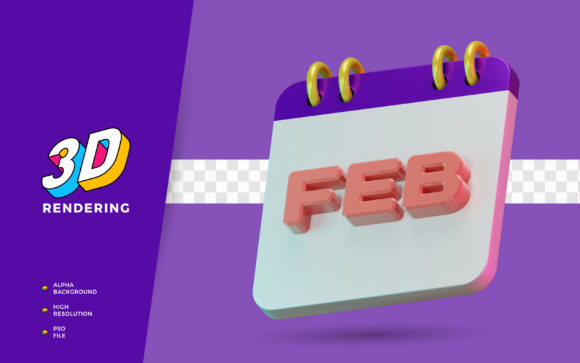
When you are juggling deadlines, marketing campaigns, or personal goals, the visual elements you use can make or break your message. February Calendar Month 3d Rendering is not just a decorative image; it is a functional asset designed to capture attention and organize time in a way that flat graphics often cannot. This specific rendering offers a tangible, three-dimensional representation of the second month of the year, providing depth, shadow, and texture that immediately signals importance to anyone viewing your content.
Unlike standard clip art, a high-quality 3D render brings a sense of realism and professionalism. It transforms a simple date into a focal point. Whether you are a digital marketer creating a social media campaign for Valentine's Day, an educator planning a winter curriculum, or a freelancer managing client invoices, this asset serves as a versatile tool. It bridges the gap between abstract dates and concrete visual reminders, making your planning process more engaging and effective.
Why Choose a 3D Render for February Planning?
The decision to use a February Calendar Month 3d Rendering over a traditional graphic usually comes down to the need for impact. In a crowded digital landscape where users scroll past hundreds of posts daily, three-dimensional objects stand out because they mimic the physical world our brains are wired to recognize. The interplay of light and shadow on the 3D numbers creates a subconscious cue that says "this matters."
This is particularly relevant for February. As the shortest month, it often feels rushed. People are looking for ways to structure their time efficiently. By incorporating a realistic 3D calendar element, you provide a visual anchor that helps audiences focus on specific events, holidays, or milestones. It turns a mundane reminder into a compelling call to action.
Real-World Applications Across Different Fields
The utility of this design extends far beyond simple decoration. Here is how various professionals integrate this asset into their workflows to achieve real results.
- Digital Marketing and Social Media: Marketers often struggle with engagement during the "post-holiday slump" of early January. Using a striking February Calendar Month 3d Rendering in Instagram stories or Facebook ads can reignite interest. You can pair the 3D object with text promoting mid-winter sales, Valentine's Day promotions, or seasonal product launches. The depth of the render adds a premium feel that suggests quality products or exclusive offers.
- Small Business Owners and Entrepreneurs: For business owners, time management is critical. Imagine creating a monthly newsletter or an internal dashboard. Placing the isolated 3D symbol at the top of your email header instantly communicates the timeframe without needing a lengthy explanation. If you run a boutique shop, using this design on your website banner to highlight "February Clearance" or "Winter Collection End" creates a sense of urgency and visual appeal that drives traffic.
- Educators and Content Creators: Teachers and bloggers often need to visualize schedules for their students or readers. When designing a syllabus, a lesson plan, or a blog post about "5 Things to Do in February," a 3D calendar element breaks up the text and makes the information easier to digest. It acts as a visual cue that helps learners associate the content with the specific timeframe, improving retention.
- Freelancers and Agency Teams: When presenting timelines to clients, static charts can look dry. Integrating a high-resolution 3D render into your presentation slides or project management dashboards elevates the perceived value of your work. It shows attention to detail and a commitment to high-quality deliverables, which can be a deciding factor in securing long-term contracts.
Understanding the File Formats and Technical Benefits
The true power of this resource lies in the flexibility of the files you receive. Knowing exactly what you get ensures you can apply the asset correctly in your specific software environment.
You will receive a comprehensive package designed for maximum usability. The inclusion of a File HD PSD (Photoshop Document) is a game-changer for designers who want to customize the scene. Because the 3D number is provided in a layered format, you can adjust lighting, change the background color, or combine it with other elements seamlessly. This allows you to match the branding colors of your company perfectly.
For those who need speed and versatility, the File PNG with Alpha Background is essential. An alpha channel means the background is transparent, allowing you to drop the 3D February symbol directly onto any image, video frame, or webpage without worrying about white boxes or awkward edges. This isolation is crucial for creating clean, professional composites.
The File JPEG 300 dpi ensures that when you print materials like flyers, posters, or brochures, the image remains crisp and sharp. High resolution prevents pixelation, which is vital for maintaining a professional reputation in print media. Furthermore, receiving these files Without Watermark or logo gives you full ownership. There are no hidden restrictions preventing you from using the image freely once downloaded.
How to Integrate the Design Into Your Workflow
Using this asset is straightforward, but getting the best results requires a bit of intentionality. Once you have downloaded your files, simply add this PNG 3D Object Design to your project using Photoshop, Affinity Photo, or even simpler tools like Canva if you import the PNG correctly.
Consider the context of your final output. If you are creating a social media post, place the 3D calendar slightly off-center to create dynamic balance with your text overlay. If you are printing a poster, ensure the 3D render has enough negative space around it so it doesn't feel cramped. The goal is to let the object breathe while still commanding attention.
Because the files support both Personal and Commercial Use, you can experiment without fear. Try placing the February symbol on a dark background for a sleek, modern look, or on a pastel background for a softer, spring-like transition. The adaptability of the 3D render means it can fit almost any aesthetic, from corporate minimalism to playful, creative designs.
What to Consider Before You Start
While the asset is ready to use, successful application depends on your understanding of your audience. Ask yourself: Does this 3D element support my message, or does it distract? In some cases, a busy background might clash with the shadows of the 3D render. Always test your design by stepping back or zooming out to see if the February calendar stands out clearly.
Also, consider the timing. Since this is specifically for February, ensure your content aligns with the themes of that month—whether that is love, winter sports, tax season, or preparation for spring. Using the February Calendar Month 3d Rendering out of context, such as in a summer-themed post, would confuse your audience. Contextual relevance is key to converting viewers into customers or engaged followers.
Finally, remember that quality is paramount. The 300 dpi JPEG and the detailed PSD layers are there to help you maintain high standards. Avoid stretching or distorting the image, as this ruins the 3D effect and looks unprofessional. Respect the integrity of the design to get the best visual outcome.
By leveraging these resources, you are not just adding an image to a page; you are enhancing the communication of your ideas. From streamlining your daily reminders to boosting commercial campaigns, this 3D rendering offers a practical solution for anyone looking to improve their visual storytelling. Thank you very much for considering this tool for your projects. We wish you have a wonderful day and always in kindness. Best regards.